Chemical tankers transport a wide range of hazardous and volatile chemicals across the globe. Ensuring the safety of both the cargo and the crew is of paramount importance. One of the most effective tools in achieving this is a nitrogen generator designed specifically for chemical tankers.
What Is a Nitrogen Generator for Chemical Tankers?
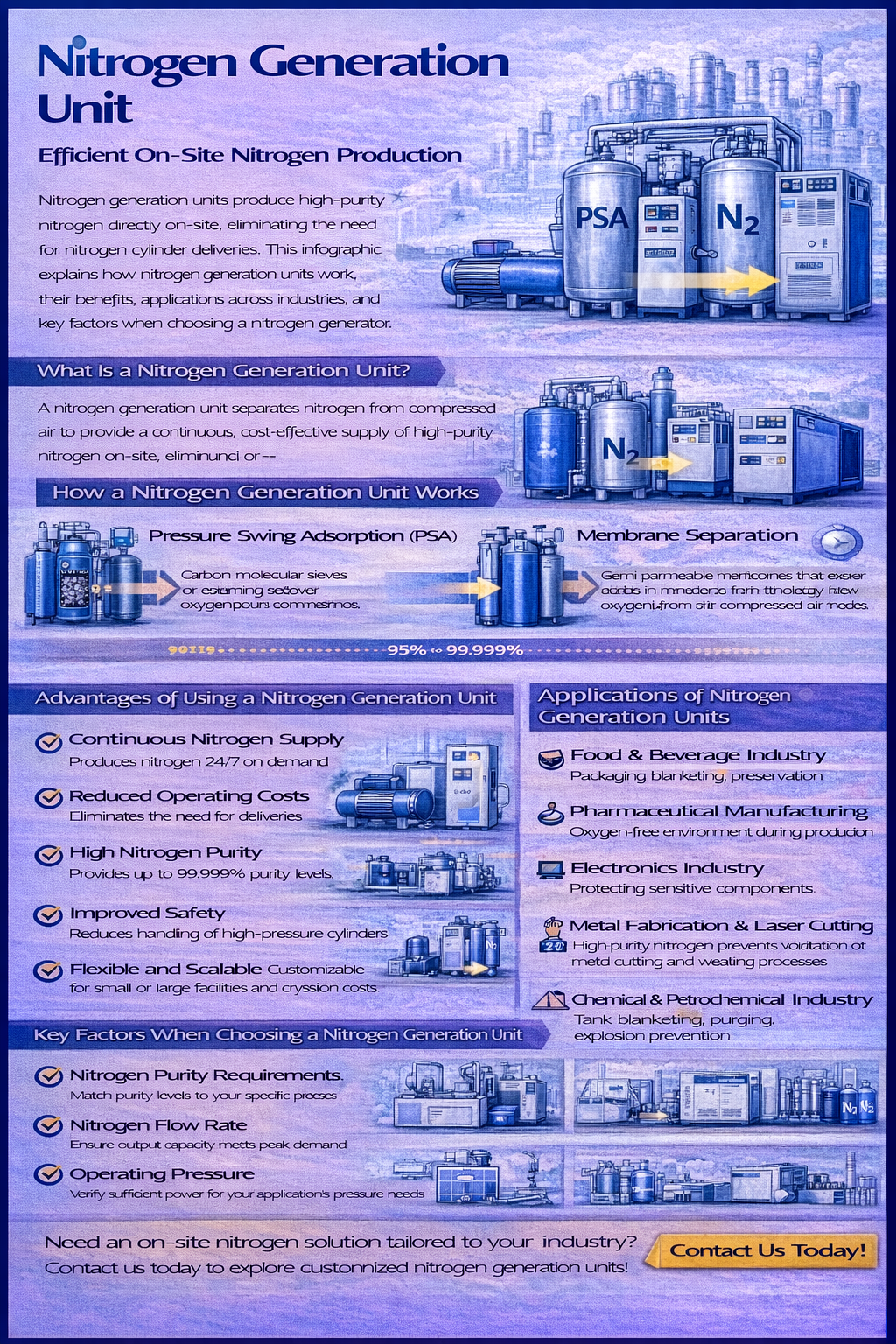
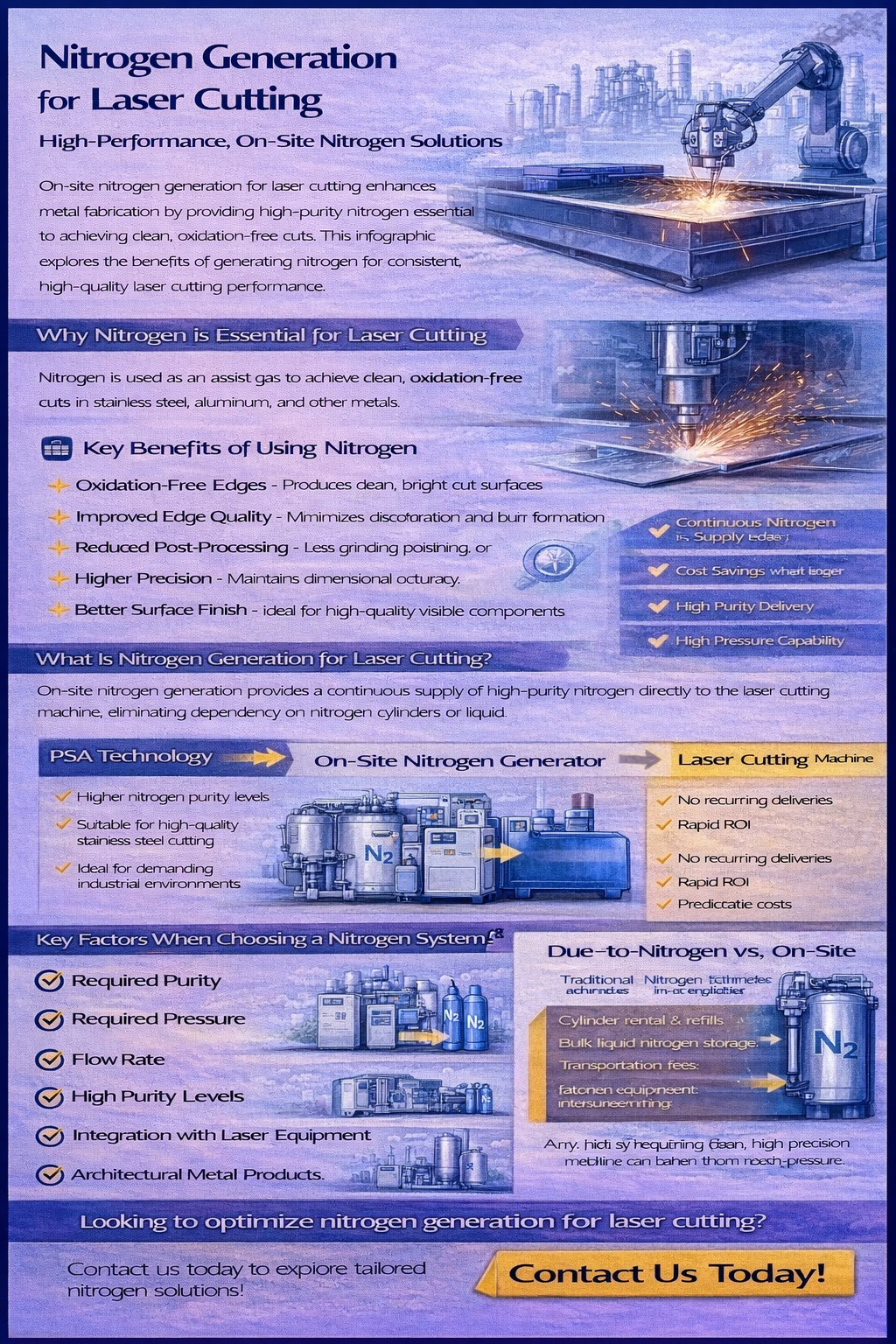
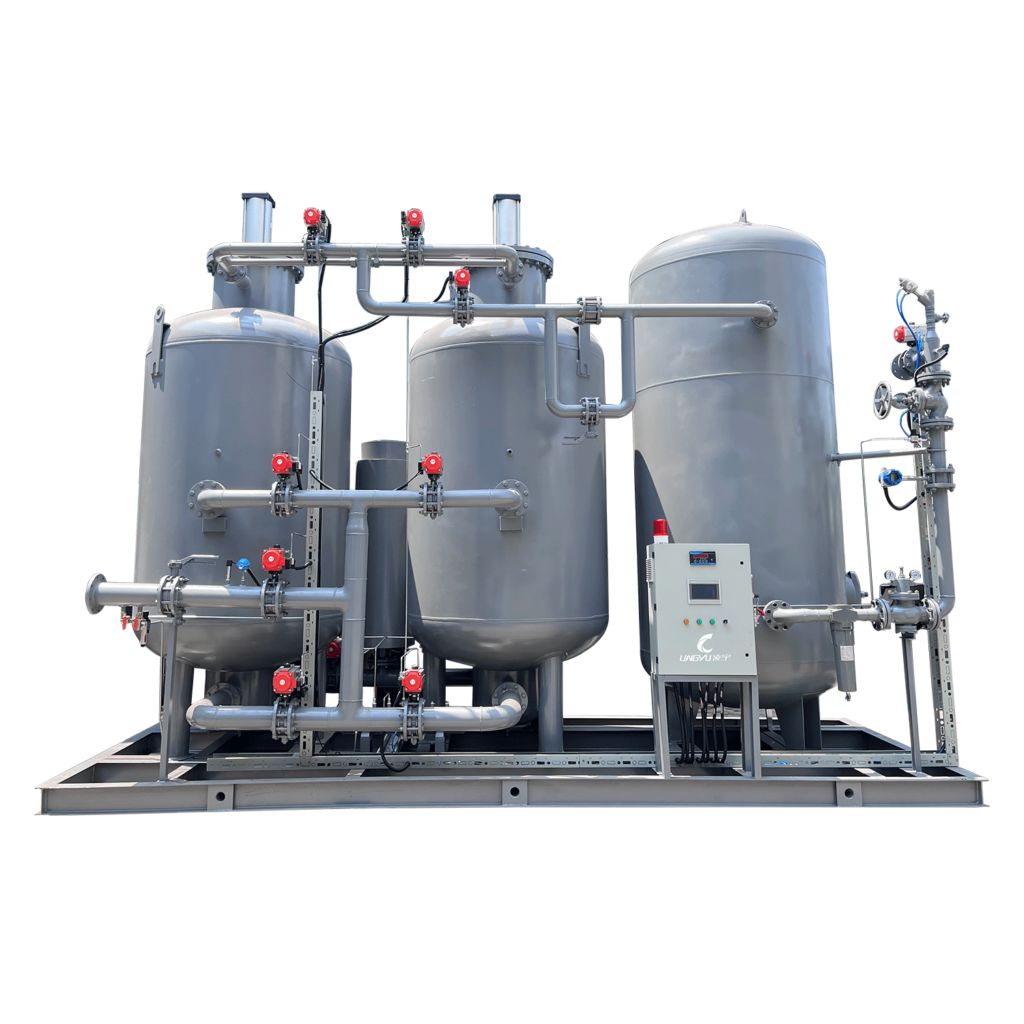
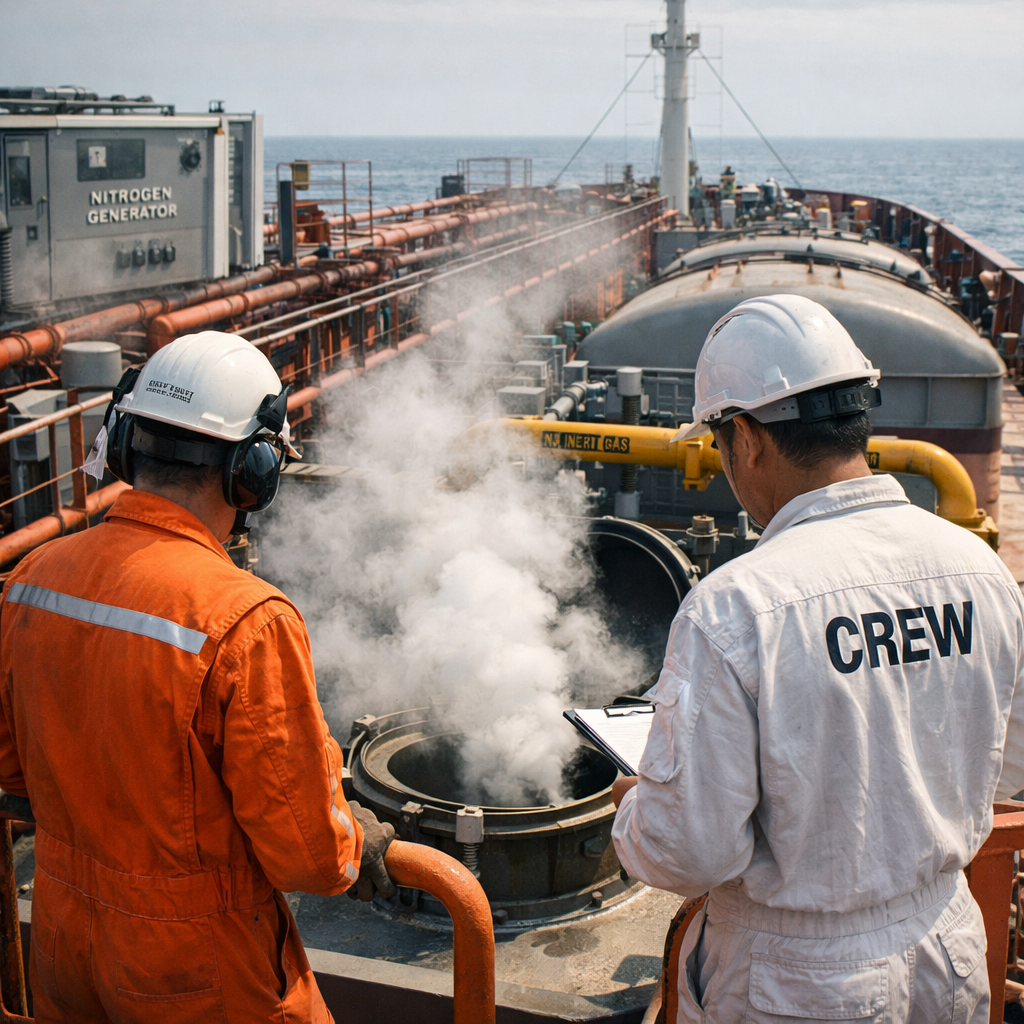
A nitrogen generator is an onboard system that produces nitrogen gas from ambient air. Unlike traditional methods that rely on nitrogen cylinders, these generators allow for continuous, on-demand nitrogen supply. On chemical tankers, nitrogen is primarily used to inert cargo tanks, reducing the risk of fire, explosion, and chemical degradation.
Why Nitrogen Generators Are Essential for Chemical Tankers
Safety First
Chemical cargoes like solvents, acids, and flammable liquids can form explosive vapors when exposed to air. Nitrogen displaces oxygen inside the cargo tanks, creating an inert atmosphere that minimizes combustion risks.Cargo Quality Preservation
Many chemicals are sensitive to oxidation. By maintaining a nitrogen blanket over the cargo, the generator prevents chemical reactions that could compromise cargo integrity during long voyages.Operational Efficiency
On-demand nitrogen production reduces dependency on external suppliers and logistics associated with handling high-pressure nitrogen cylinders. It also ensures continuous supply, critical for maintaining inert conditions during loading, transit, and unloading.Cost Savings
Generating nitrogen onboard eliminates the need for frequent deliveries of gas cylinders, reduces storage space requirements, and minimizes downtime related to cylinder handling and replacement.
Types of Nitrogen Generators for Chemical Tankers
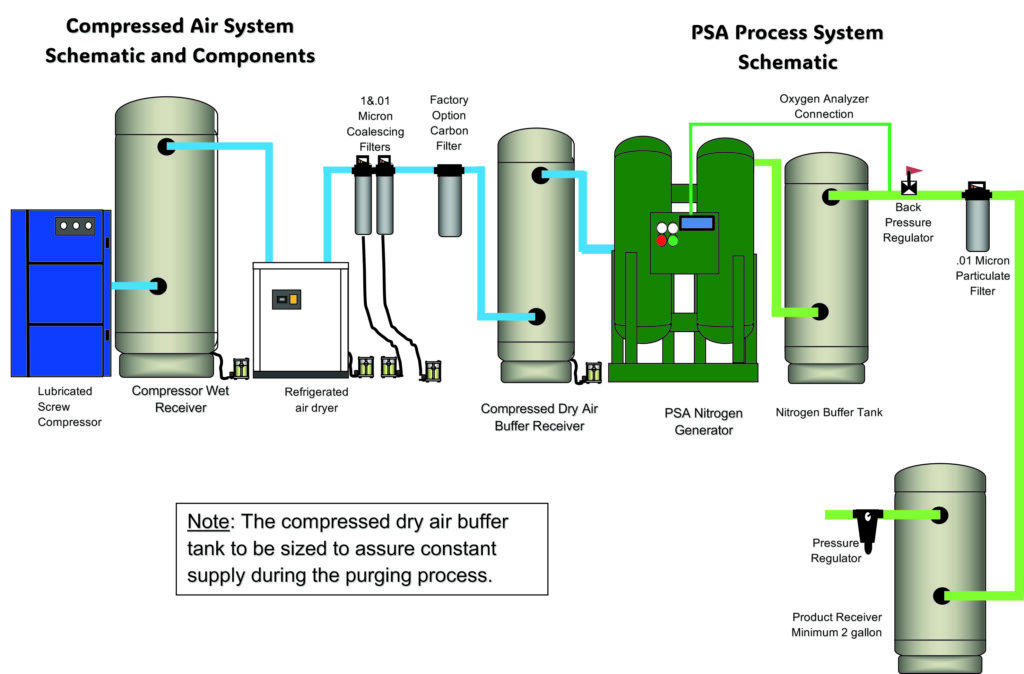
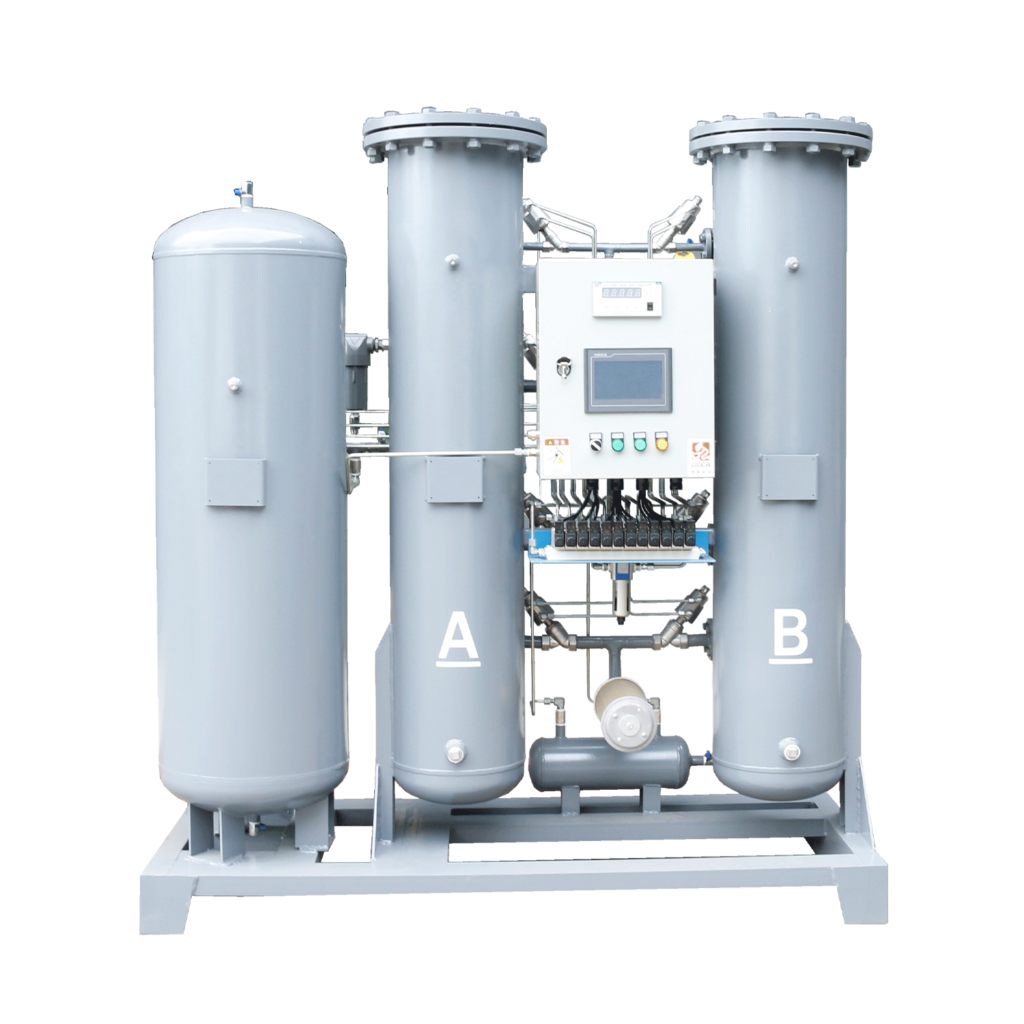
Pressure Swing Adsorption (PSA) Nitrogen Generators
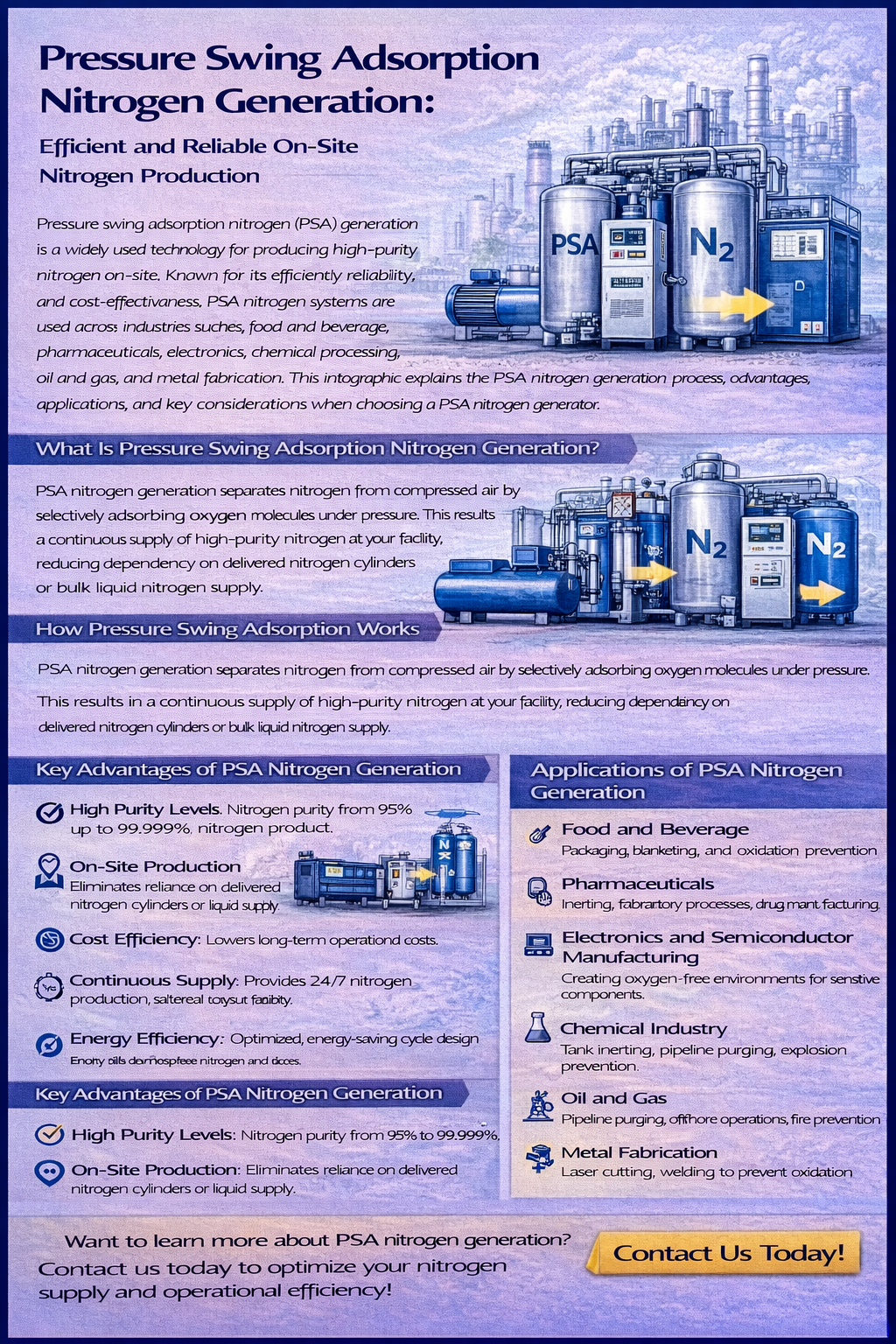
PSA generators separate nitrogen from air by adsorbing oxygen and other gases under high pressure. They are widely used due to reliability and ease of integration into tanker systems.
Membrane Nitrogen Generators
These systems use selective membranes to separate nitrogen from compressed air. Membrane generators are compact, low-maintenance, and ideal for smaller tankers or auxiliary systems.
Key Features to Consider
When selecting a nitrogen generator for chemical tankers, shipping companies typically look for:
Purity Control: Ability to maintain nitrogen purity levels of 98–99.5%, depending on cargo requirements.
Flow Rate: Sufficient output to inert all cargo tanks simultaneously if needed.
Automation & Monitoring: Integration with tanker control systems for real-time monitoring and automatic operation.
Compliance: Certifications according to marine and international safety standards (IMO, SOLAS).
Conclusion
A nitrogen generator is no longer a luxury but a critical safety and operational tool for modern chemical tankers. It ensures cargo safety, maintains chemical quality, and optimizes onboard operations, all while reducing costs and environmental impact. For shipping companies transporting hazardous chemicals, investing in a reliable nitrogen generator system is a strategic decision that safeguards both crew and cargo.