In modern manufacturing, nitrogen has become an essential utility for a wide range of industries, including food processing, electronics, pharmaceuticals, metal fabrication, chemical production, and oil and gas. As more companies move toward on-site gas generation, understanding nitrogen generator specification becomes increasingly important.
Choosing the right nitrogen generator is not only about getting a machine that produces nitrogen. It is about selecting a system with the correct purity, flow rate, pressure, reliability, and control features to match your production needs. A well-matched system can improve efficiency, reduce operating costs, and ensure a stable nitrogen supply.
What Is a Nitrogen Generator?
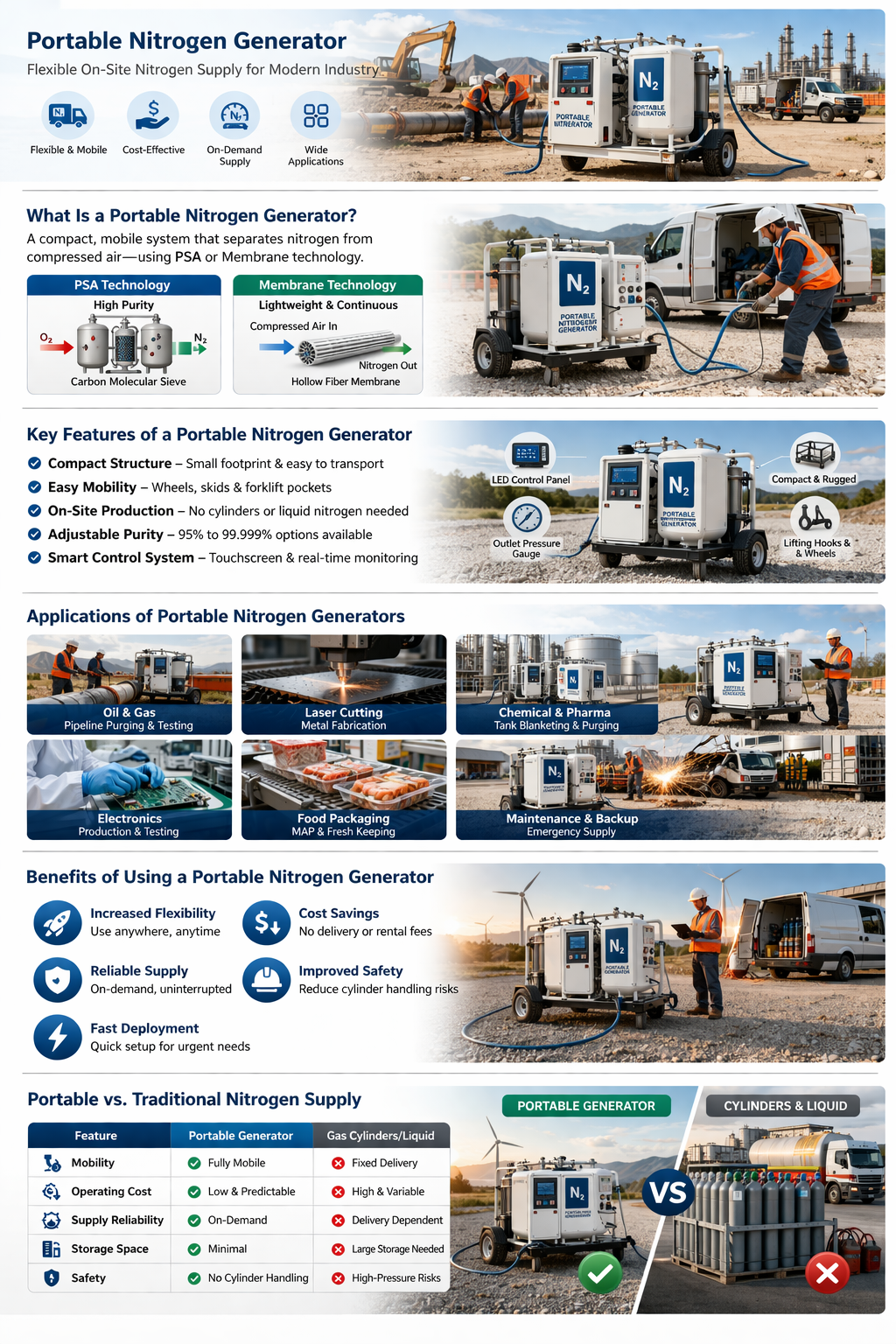
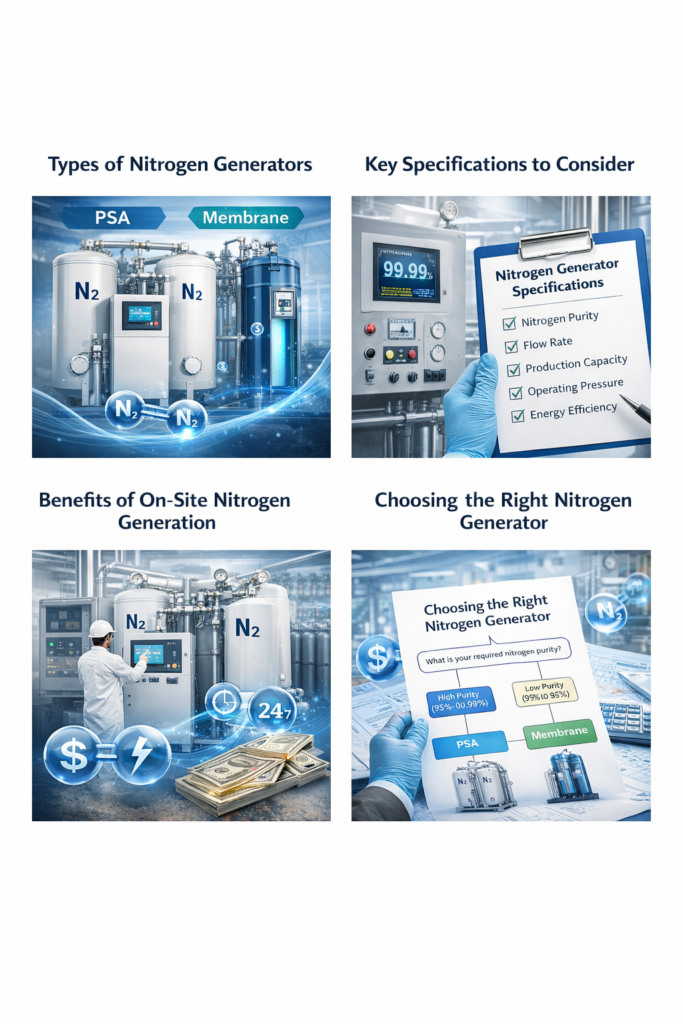
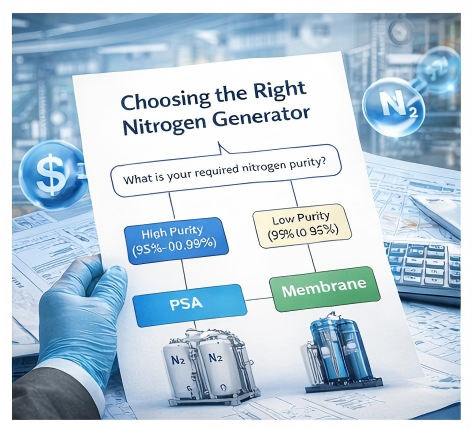
A nitrogen generator is a system that separates nitrogen from compressed air and delivers it directly to the point of use. The most common technologies are PSA (Pressure Swing Adsorption) and membrane nitrogen generation.
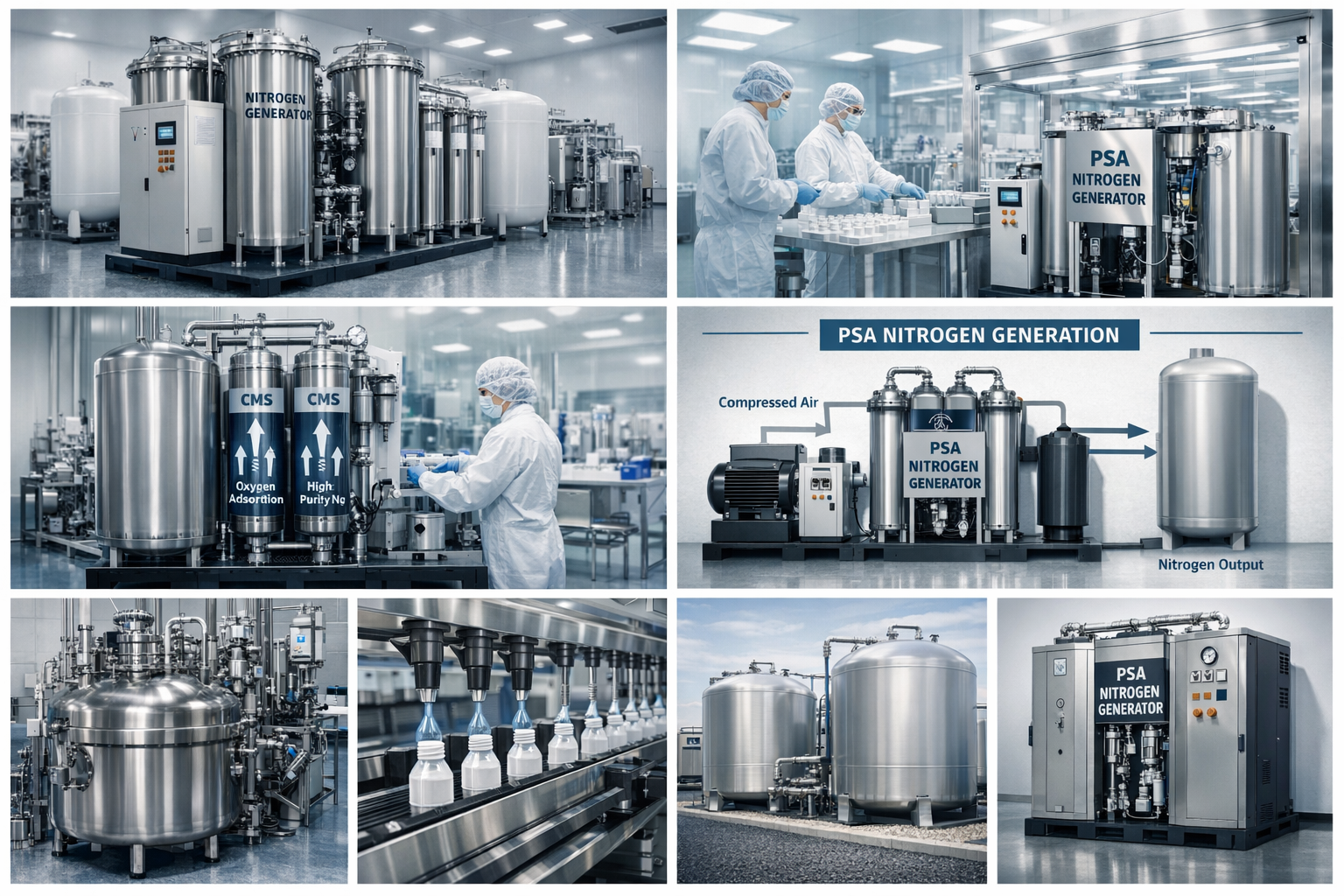
PSA nitrogen generators are widely used in industrial applications because they can produce high-purity nitrogen and offer reliable long-term performance. These systems typically use carbon molecular sieve to adsorb oxygen while allowing nitrogen to pass through.
Regardless of the technology, the performance of the system depends heavily on its specifications.
Why Nitrogen Generator Specification Matters
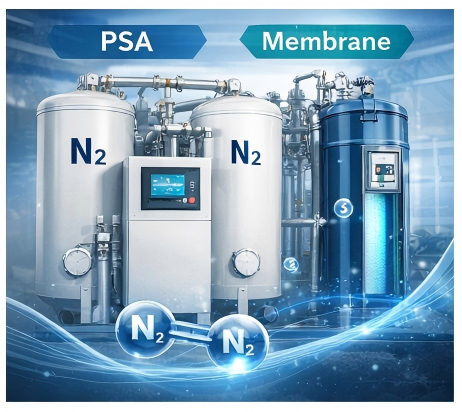
Every industrial process has different nitrogen requirements. Some applications require extremely high purity, while others need large flow volumes or stable pressure. If the generator specifications do not match the process demand, the result may be poor product quality, unstable operation, energy waste, or unnecessary investment.
Understanding nitrogen generator specification helps buyers and engineers:
- Select the right model for the application
- Avoid oversizing or undersizing the system
- Maintain process safety and consistency
- Improve energy efficiency
- Reduce maintenance and downtime
Key Nitrogen Generator Specifications to Evaluate
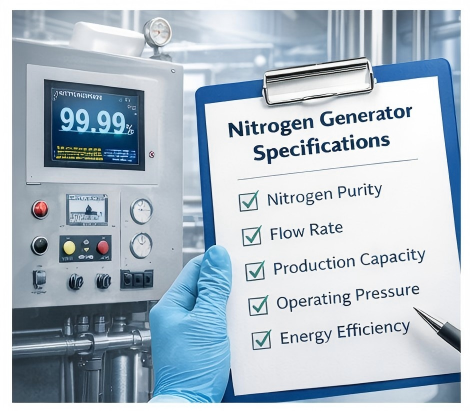
When selecting a nitrogen generator, there are several critical specifications that should be carefully reviewed.
1. Nitrogen Purity
Nitrogen purity is one of the most important parameters. It refers to the percentage of nitrogen in the output gas stream. Common purity levels include 95%, 99%, 99.9%, 99.99%, and up to 99.999%.
Different industries require different purity levels:
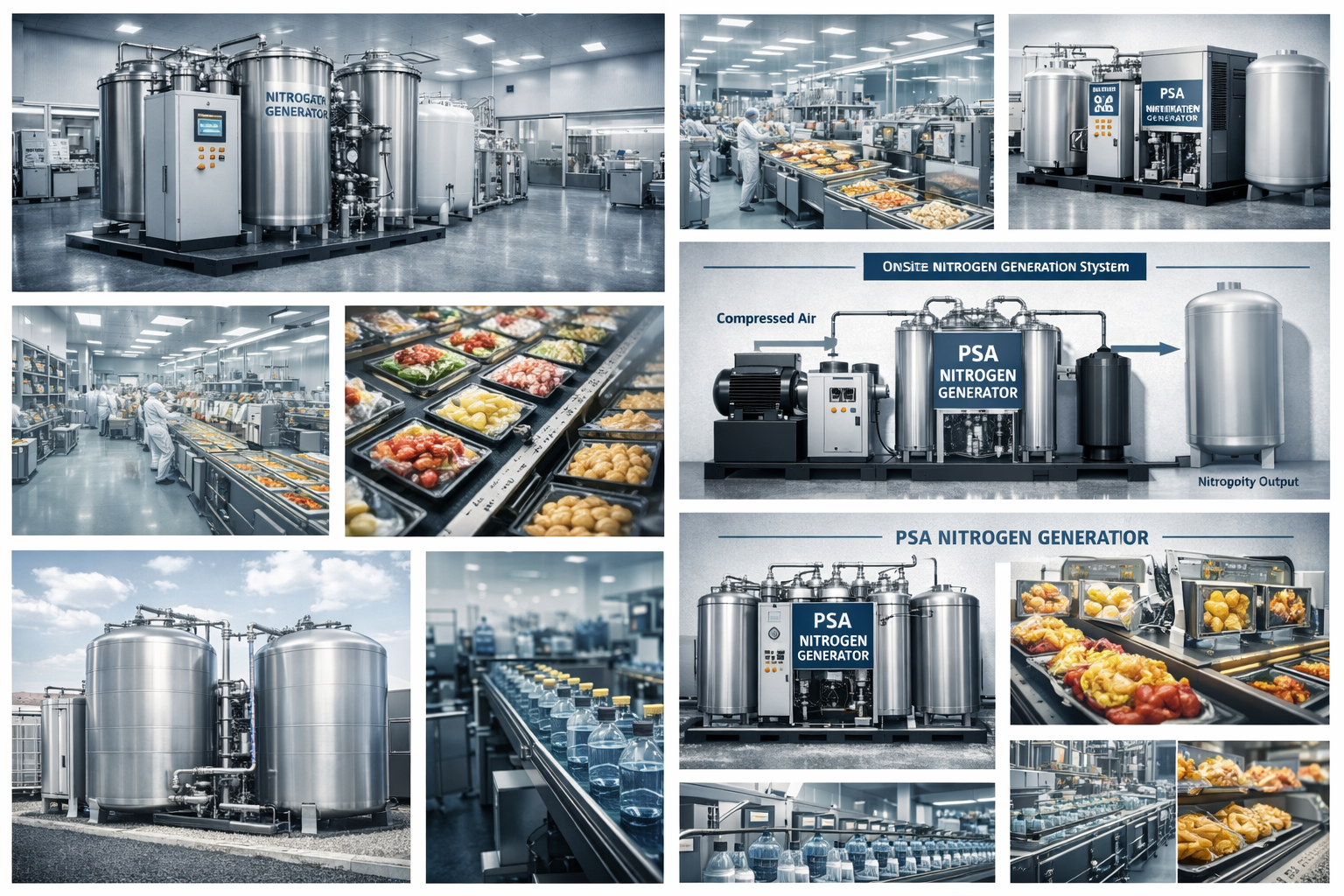
- Food packaging: usually 99% to 99.5%
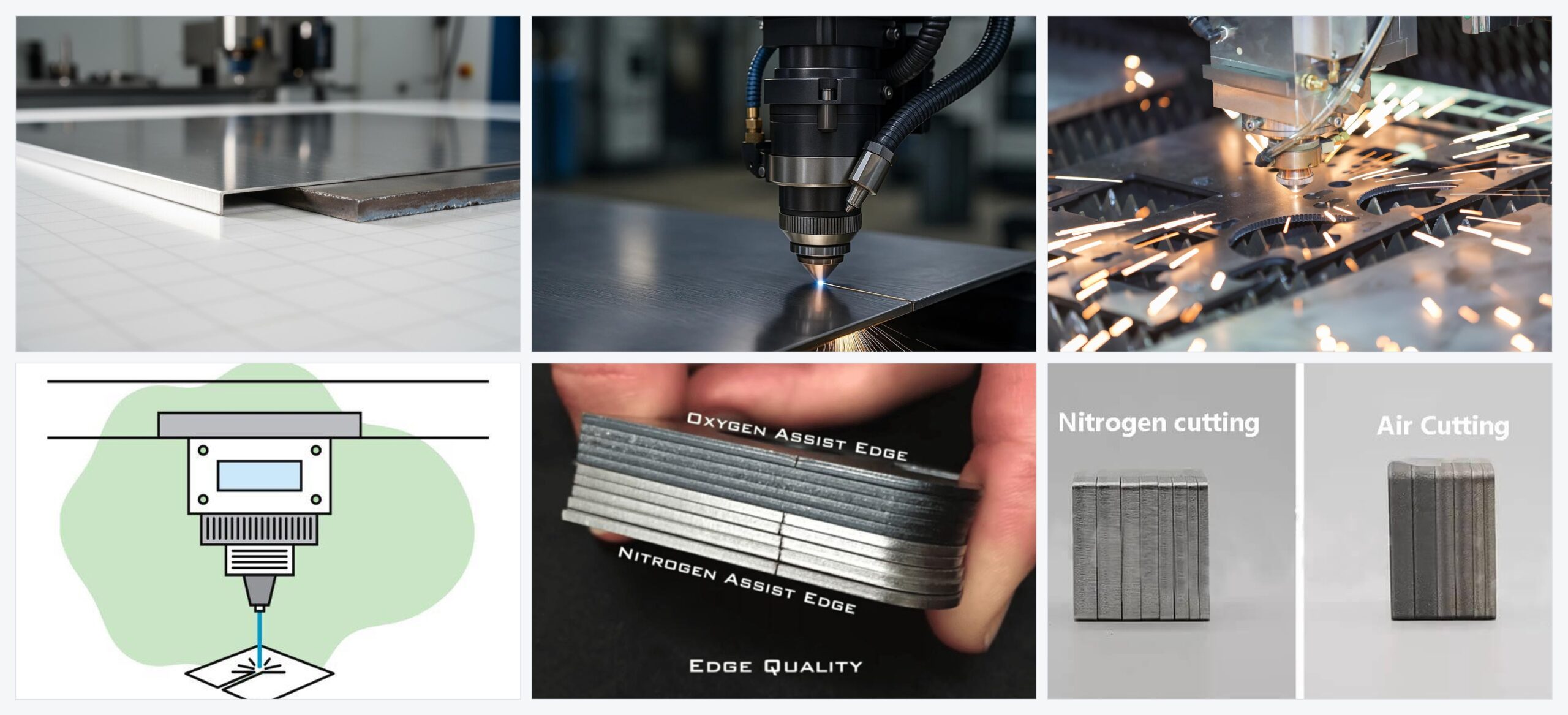
- Laser cutting: often 99.99% or higher
- Electronics and semiconductor manufacturing: typically high purity
- Chemical blanketing and inerting: depends on process sensitivity
Higher purity usually means lower nitrogen output flow, so the balance between purity and capacity must be considered.
2. Nitrogen Flow Rate
Flow rate indicates how much nitrogen the generator can produce within a certain time, usually measured in Nm3/h, m3/min, or SCFM.
The required flow rate depends on whether the application is continuous, intermittent, or peak-load based. If the system cannot supply sufficient flow, production may be interrupted. If the system is oversized, the initial investment and operating costs may be unnecessarily high.
A proper evaluation of actual nitrogen consumption is essential before choosing a model.
3. Outlet Pressure
Outlet pressure is another key nitrogen generator specification. The required nitrogen pressure depends on the end-use equipment and process conditions.
For example:
- Low-pressure packaging systems may require only moderate pressure
- Laser cutting systems often require higher pressure
- Some industrial processes may need pressure boosting after generation
The selected system should provide stable outlet pressure to ensure smooth and consistent operation.
4. Compressed Air Requirement
Since nitrogen generators use compressed air as the raw material, the quality and quantity of compressed air are extremely important. A nitrogen generator specification sheet usually includes required inlet air pressure, air flow, and air quality conditions.
Important compressed air considerations include:
- Inlet pressure range
- Air consumption ratio
- Oil content
- Moisture content
- Particle filtration standard
If the compressed air supply is unstable or contaminated, nitrogen purity and system reliability may be affected. This is why air filters, dryers, and air receivers are often installed together with the generator.
5. Dew Point and Air Quality
For high-performance nitrogen generation, dry and clean compressed air is essential. Moisture and oil contamination can damage the adsorption material and reduce the efficiency of the system.
A proper air treatment setup may include:
- Pre-filters
- Refrigerated or desiccant air dryers
- High-efficiency oil removal filters
- Activated carbon filters when necessary
Good inlet air quality helps maintain stable nitrogen purity and extends equipment life.
6. Power Consumption
Energy efficiency is a major factor in the total cost of ownership. Nitrogen generator specification should always be reviewed together with power consumption and operating efficiency.
Energy costs are influenced by:
- Air compressor power demand
- Nitrogen purity setting
- System operating load
- Control efficiency
- Maintenance condition
A well-designed nitrogen generation system can significantly reduce gas supply costs compared with bottled nitrogen or liquid nitrogen delivery.
7. Control System
Modern nitrogen generators are often equipped with intelligent control systems for automatic operation and monitoring. This improves user convenience and allows better control over purity, pressure, alarms, and maintenance schedules.
Advanced control features may include:
- Touchscreen interface
- PLC control
- Real-time purity monitoring
- Pressure and flow display
- Alarm and fault indication
- Remote monitoring capability
A reliable control system improves both safety and operational efficiency.
8. System Size and Installation Requirements
The physical size of the generator and its installation layout should also be considered. Some factories have limited floor space, while others may require skid-mounted or containerized solutions.
Typical installation considerations include:
- Machine footprint
- Ventilation requirements
- Access for maintenance
- Noise level
- Integration with existing air systems
Choosing a compact and well-designed system can make installation easier and reduce site preparation costs.
9. Maintenance Requirements
Maintenance is another important part of nitrogen generator specification. A well-built system should be easy to maintain and designed for long service life.
Key maintenance points include:
- Filter replacement intervals
- Valve service life
- Adsorbent lifespan
- Sensor calibration
- Access to spare parts
Low-maintenance equipment can reduce downtime and improve production continuity.
How to Match Nitrogen Generator Specification to Your Application
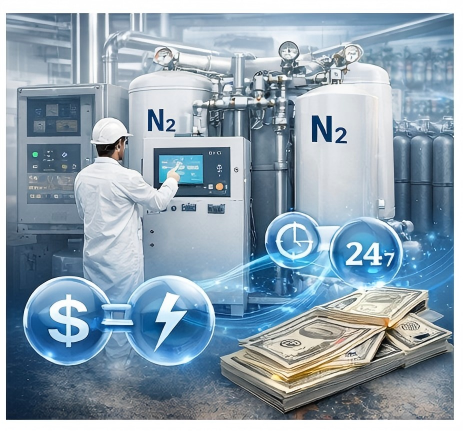
The best nitrogen generator is not simply the one with the highest purity or largest capacity. It is the one that fits your actual process requirements.
To make the right selection, it is helpful to evaluate:
- Required nitrogen purity
- Average and peak nitrogen consumption
- Required outlet pressure
- Available compressed air system
- Site conditions and installation space
- Budget and long-term operating cost
A professional supplier can help analyze these factors and recommend the most suitable configuration.
Common Applications That Depend on Correct Nitrogen Generator Specification
Many industries rely on properly specified nitrogen generation systems for stable and efficient production.
Food and Beverage
Used for packaging, blanketing, and extending shelf life.
Pharmaceutical Manufacturing
Used for inerting, protecting sensitive ingredients, and maintaining clean production environments.
Laser Cutting
Used as an assist gas to achieve clean, oxidation-free cuts and better edge quality.
Electronics and Semiconductor Production
Used to protect sensitive components and maintain process stability.
Chemical Industry
Used for tank blanketing, purging, and explosion-risk reduction.
In each of these sectors, the wrong specification can lead to poor performance, higher costs, or production risk.
Benefits of Choosing the Right Nitrogen Generator Specification
When the system is properly selected and configured, businesses can gain several important advantages:
- Reliable on-site nitrogen supply
- Lower gas procurement and transportation costs
- Consistent purity and pressure
- Improved product quality
- Reduced dependence on external gas vendors
- Better energy efficiency
- Greater operational safety
These benefits make on-site nitrogen generation a smart long-term investment for many industrial users.
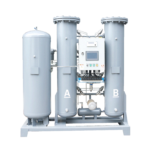
Efficient nitrogen generator providing 99.5% nitrogen purity. Designed for reliable performance in industrial, laboratory, and food packaging applications.
Conclusion
Understanding nitrogen generator specification is essential for choosing a system that delivers the right balance of purity, flow, pressure, efficiency, and reliability. A nitrogen generator is not a one-size-fits-all product. Each application has unique operating requirements, and the specification must be matched carefully to achieve the best results.
Whether your business needs nitrogen for packaging, laser cutting, electronics production, pharmaceuticals, or chemical processing, selecting the right nitrogen generator can improve productivity, reduce operating costs, and ensure a dependable gas supply.
If you are planning to invest in an on-site nitrogen system, working with an experienced supplier can help you identify the most suitable solution for your specific process requirements.