An abnormally high refrigerant low-side pressure in a refrigerated air dryer can result from issues within the refrigeration circuit, component failures, operating conditions, or improper system adjustments. Understanding the root causes helps ensure efficient troubleshooting and prevents deterioration of drying performance.
1. Refrigeration System-Related Causes
1.1 Excessive Refrigerant Charge
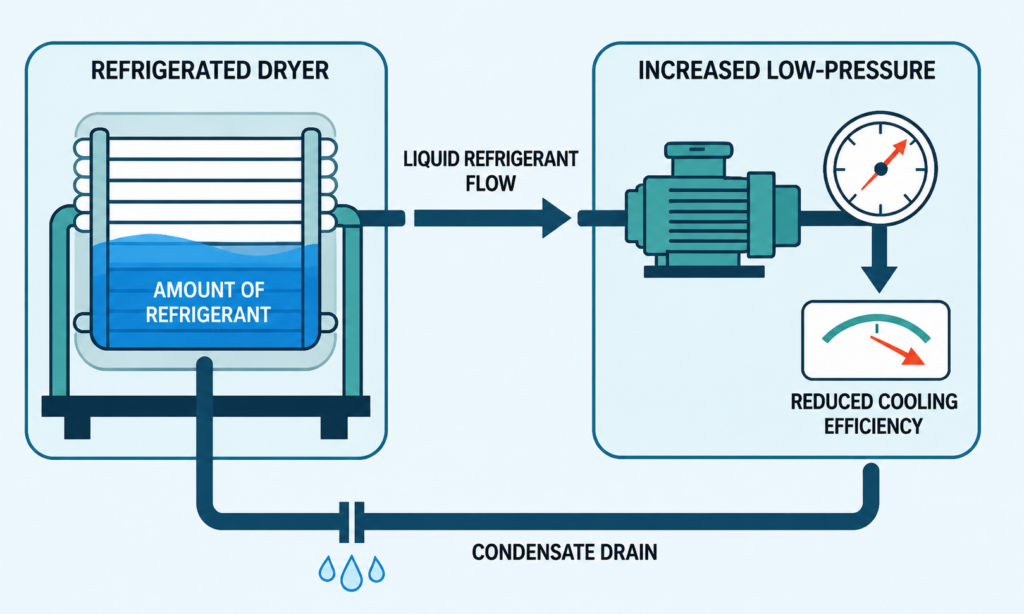
Overcharging is one of the most common causes of high low-side pressure.
- When the refrigerant charge exceeds the manufacturer’s specified amount, the excess refrigerant cannot fully evaporate inside the evaporator.
- As a result, a large quantity of liquid refrigerant returns to the compressor suction side, causing the low-side pressure to rise.
- Typical symptoms may include reduced cooling efficiency, moisture carryover, and unstable system operation.
1.2 Air or Contaminants in the System
If the refrigeration system is not properly evacuated during servicing or installation, residual air may remain inside the circuit.
- Non-condensable gases occupy system volume and interfere with normal refrigerant flow.
- This disrupts pressure balance within the refrigeration cycle and may lead to abnormal low-side pressure readings.
2. Failure of Key Components
2.1 Expansion Valve Malfunction
The expansion valve regulates the amount of refrigerant entering the evaporator.
Excessive Valve Opening
- If the valve opening becomes too large due to valve damage, a weakened adjustment spring, or a failed sensing bulb, excessive refrigerant will enter the evaporator.
- This unrestricted refrigerant flow directly increases low-side pressure.
Valve Blockage or Ice Formation
- Partial blockage or ice accumulation inside the expansion valve can restrict refrigerant circulation.
- This may cause abnormal pressure fluctuations and unstable system performance.
2.2 Compressor Failure
The compressor is responsible for compressing low-pressure refrigerant vapor into high-pressure refrigerant.
- Wear of internal components such as pistons, cylinders, or seals reduces compression efficiency.
- As compression performance declines, refrigerant vapor accumulates on the low-pressure side, resulting in elevated suction pressure.
- In severe cases, damaged compression components can significantly reduce the compression ratio, causing the high and low pressures to approach equilibrium and the low-side pressure to become abnormally high.
2.3 Poor Evaporator Heat Transfer
Insufficient heat exchange in the evaporator can also affect system pressure.
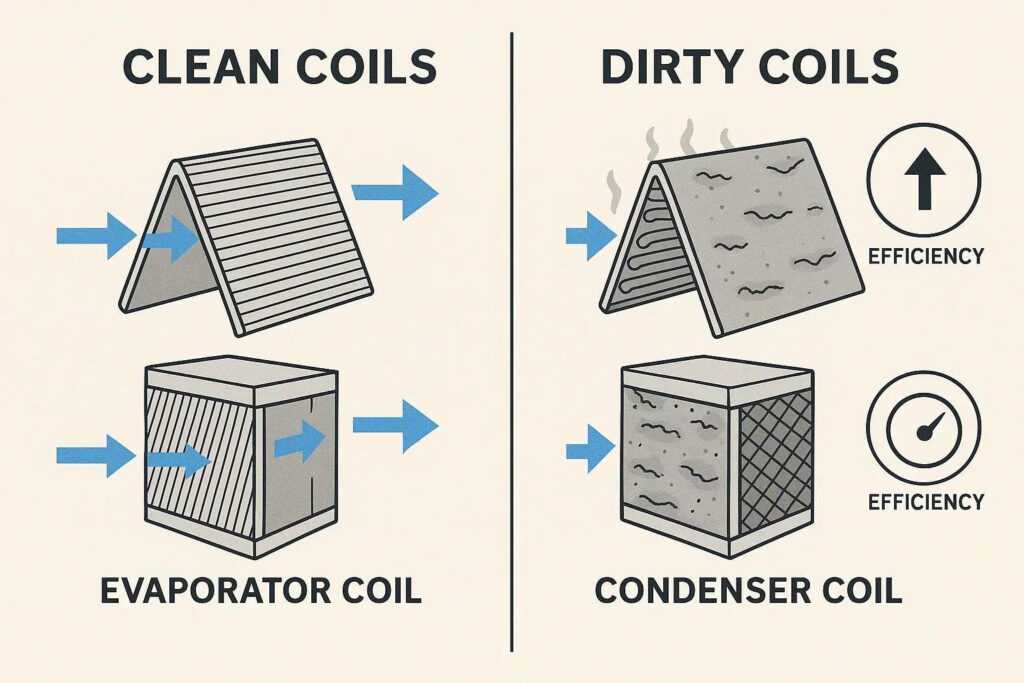
- Frost buildup, dust accumulation, or oil contamination on the evaporator surface significantly reduces heat transfer efficiency.
- Refrigerant may fail to evaporate properly, leading to abnormal pressure conditions.
- In addition, operating the air dryer beyond its rated capacity or exposing it to excessively high inlet air temperatures can increase evaporating pressure and cause elevated low-side pressure readings.
3. External Operating Conditions and Adjustment Factors
3.1 Insufficient Condenser Heat Dissipation
Poor condenser performance can indirectly increase low-side pressure.
For air-cooled refrigerated dryers:
- Condenser fins clogged with dust.
- Inadequate ventilation around the unit.
For water-cooled refrigerated dryers:
- Insufficient cooling water flow.
- Excessively high cooling water temperature.
These conditions increase condensing pressure, which may subsequently raise the low-side pressure as well.
3.2 Improper Hot Gas Bypass Valve Adjustment
The hot gas bypass valve is used to regulate refrigerant low-side pressure.
- If the needle valve is adjusted excessively clockwise, the bypass flow increases and the low-side pressure may rise continuously beyond the normal operating range.
- For systems using R22 refrigerant, the typical low-side pressure range is approximately 0.40–0.45 MPa under normal operating conditions.
- Excessive low-side pressure can negatively affect the dryer’s moisture removal performance.
3.3 Ambient Temperature Effects
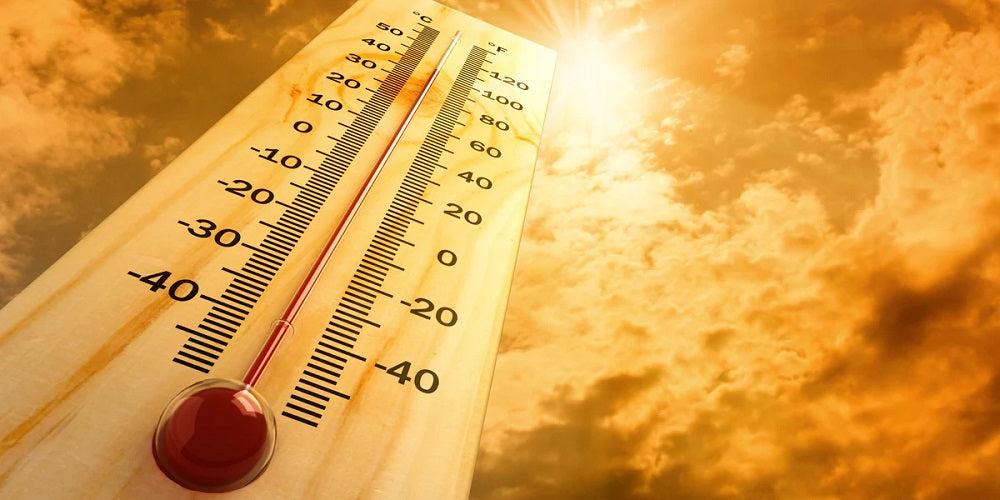
Refrigerant pressure naturally increases as ambient temperature rises.
- During summer conditions, when ambient temperatures approach 40°C (104°F), low-side pressure readings are typically higher than those observed in winter.
- Elevated readings should only be considered abnormal when they exceed the manufacturer’s specified operating range.
Troubleshooting Recommendations
Step 1: Verify Refrigerant Charge
Check the refrigerant charge against the equipment specifications.
- If the system is overcharged, recover the excess refrigerant until the correct charge is achieved.
Step 2: Inspect Condenser Performance
Ensure adequate heat dissipation.
- Clean condenser fins regularly on air-cooled units.
- Maintain a minimum ventilation clearance of 1 meter (3.3 feet) around the equipment.
- Verify cooling water flow and temperature on water-cooled systems.
Step 3: Check Expansion Valve and Hot Gas Bypass Valve Settings
- Test valve operation and opening positions.
- Make gradual adjustments while monitoring system pressures until they return to the normal operating range.
Step 4: Evaluate Compressor Condition and System Integrity
If the above checks do not identify the issue:
- Inspect the compressor for internal wear or damage.
- Check for the presence of air or other non-condensable gases in the refrigeration circuit.
- Seek diagnosis and repair by qualified refrigeration technicians when necessary.
Conclusion
Excessively high refrigerant low-side pressure in a refrigerated air dryer is commonly caused by refrigerant overcharging, expansion valve abnormalities, compressor wear, poor heat transfer, inadequate condenser cooling, improper hot gas bypass valve adjustment, or elevated ambient temperatures. A systematic inspection of these factors can help quickly identify the root cause and restore the dryer to optimal operating performance.