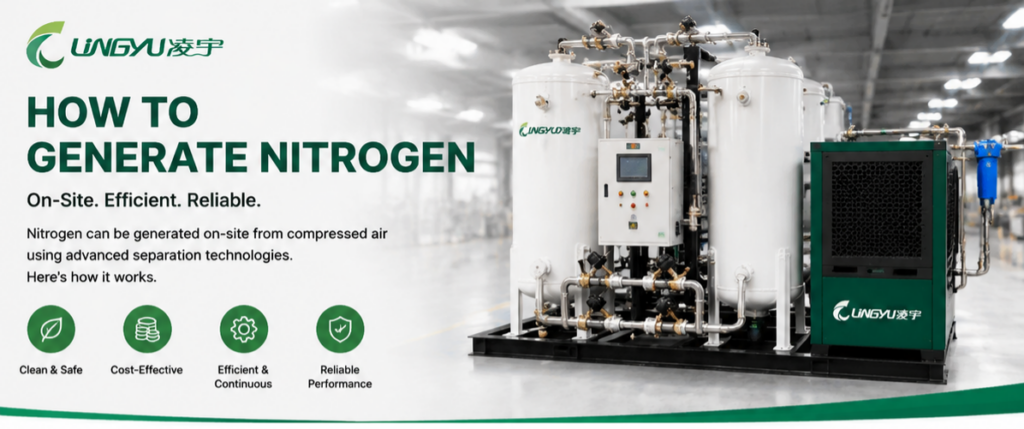
Nitrogen is an essential gas in many industrial, laboratory, and food processing applications. It plays a critical role in preventing oxidation, preserving products, and maintaining controlled environments. Understanding how to generate nitrogen efficiently and safely is key for businesses and research facilities that require a consistent supply.
What Is Nitrogen?
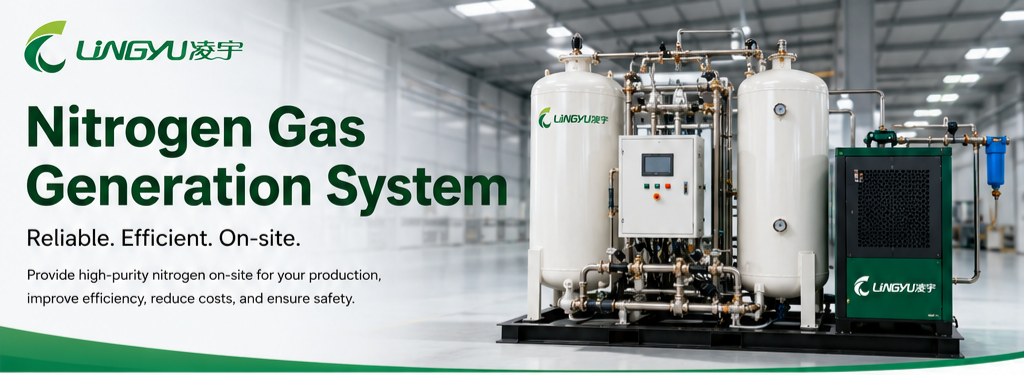
Nitrogen (N₂) makes up approximately 78% of the Earth’s atmosphere. It is colorless, odorless, and inert under normal conditions, making it ideal for applications where reactivity must be minimized. Generating nitrogen on-site provides cost savings, increased safety, and a continuous supply compared to relying solely on bottled or liquid nitrogen.
Methods for Generating Nitrogen
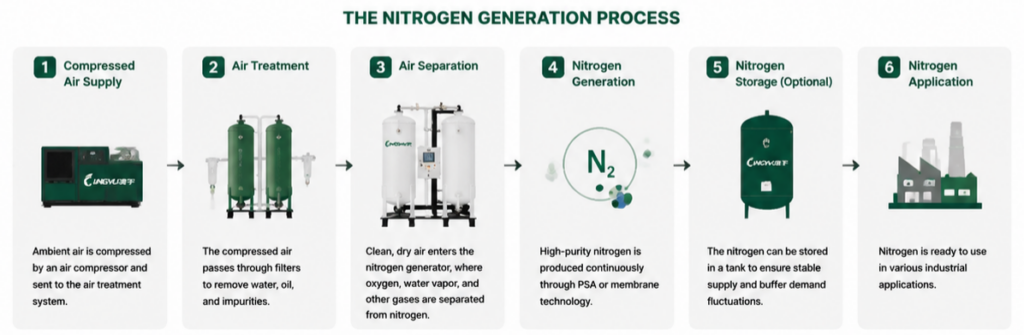
There are several widely used methods to generate nitrogen, each suited to different purity requirements and volumes.
1. Pressure Swing Adsorption (PSA)
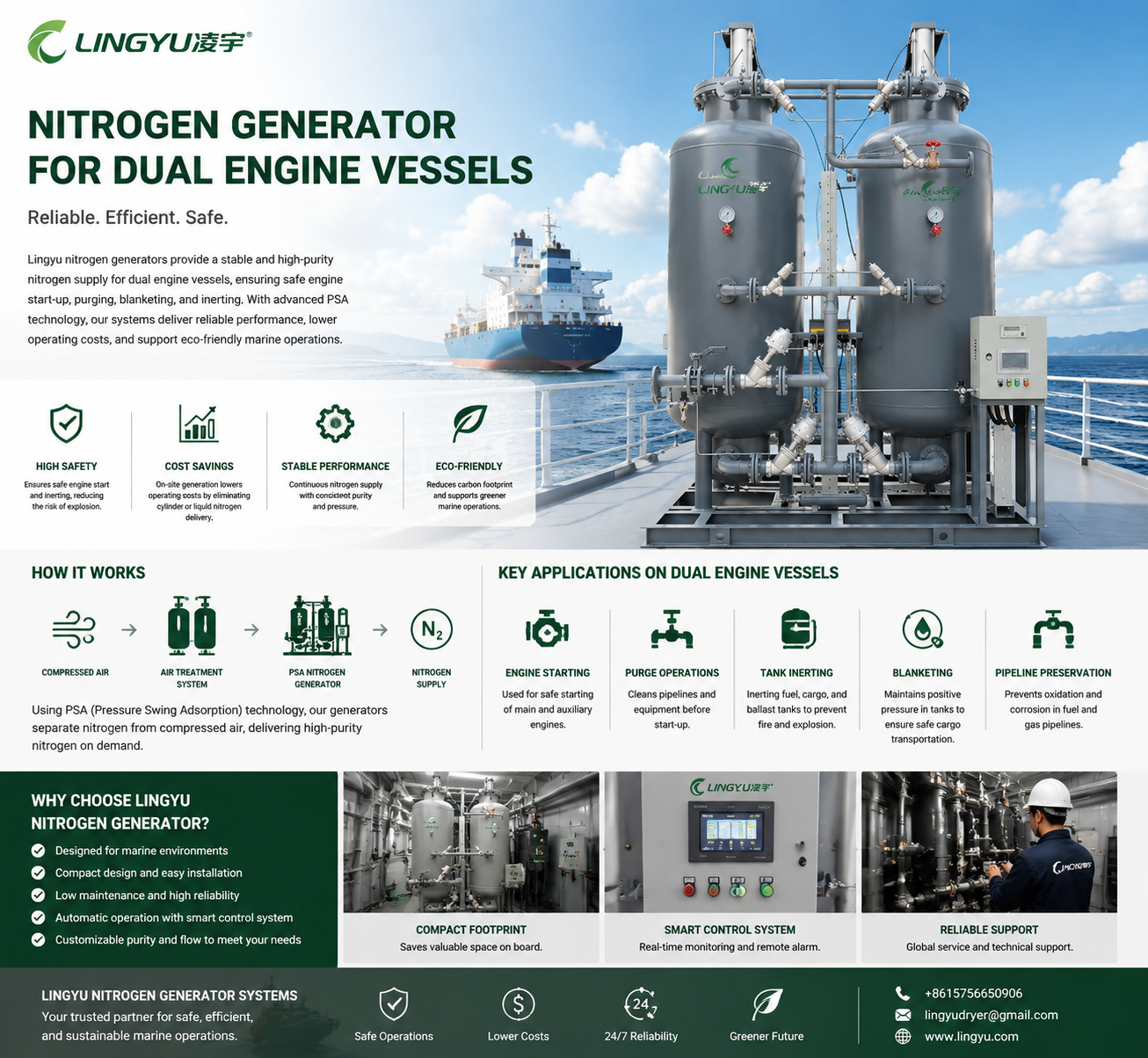
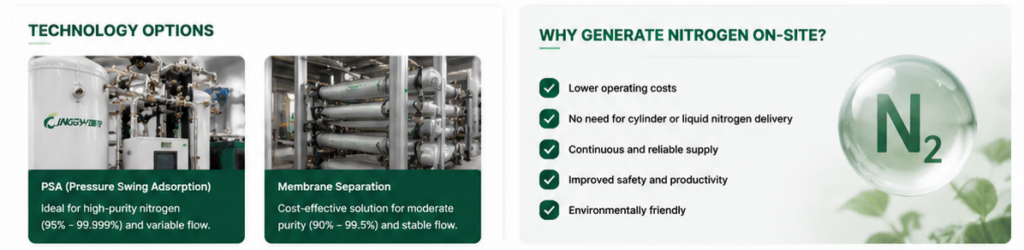
PSA technology separates nitrogen from compressed air using adsorbent materials such as carbon molecular sieves. Oxygen, water, and other gases are adsorbed under high pressure while nitrogen passes through as the main product. PSA systems can achieve purities ranging from 95% to 99.999%, making them ideal for industrial applications such as electronics manufacturing, pharmaceuticals, and food packaging.
Advantages:
- High nitrogen purity
- Continuous supply on-site
- Low operating cost
2. Membrane Nitrogen Generators
Membrane technology uses selective permeable membranes to separate nitrogen from oxygen and other gases in compressed air. This method is simple, compact, and energy-efficient, providing nitrogen with purities typically between 95% and 99%.
Advantages:
- Low maintenance
- Energy-efficient
- Modular and scalable
3. Cryogenic Nitrogen Production
Cryogenic nitrogen production involves cooling air to extremely low temperatures to liquefy its components, then separating nitrogen from oxygen and other gases. This method produces ultra-high-purity nitrogen (up to 99.999%) and is ideal for large-scale industrial use.
Advantages:
- Extremely high purity
- High production volume
- Suitable for critical applications
Applications of Generated Nitrogen
On-site nitrogen generation is used in many industries, including:
- Food and Beverage Packaging – Prevents spoilage and extends shelf life.
- Pharmaceuticals – Maintains sterile environments.
- Electronics Manufacturing – Protects sensitive components.
- Chemical Processing – Provides inert atmospheres for reactions.
- Oil & Gas – Ensures safety in pipelines and storage tanks.
- Laser Cutting & Metal Fabrication – Prevents oxidation during cutting and welding.
Benefits of On-Site Nitrogen Generation
Generating nitrogen on-site offers multiple benefits:
- Cost Efficiency – Reduces dependence on transported nitrogen.
- Reliable Supply – Continuous production ensures no interruptions.
- Safety – Eliminates risks associated with high-pressure cylinders or cryogenic storage.
- Environmental Sustainability – Minimizes carbon footprint compared to cylinder deliveries.
How to Choose the Right System
Selecting the appropriate nitrogen generation method depends on:
- Required nitrogen purity
- Production volume
- Space availability
- Budget constraints
- Industry-specific regulations
Consulting with an experienced supplier ensures that the system meets operational needs while maximizing efficiency and safety.
Conclusion
Knowing how to generate nitrogen effectively allows businesses and laboratories to maintain a reliable, cost-effective, and safe supply. Whether using PSA, membrane, or cryogenic systems, on-site nitrogen generation ensures high-quality nitrogen for a wide range of industrial and research applications.
For professional guidance and custom nitrogen solutions, contact our team today to design a system that meets your specific requirements.